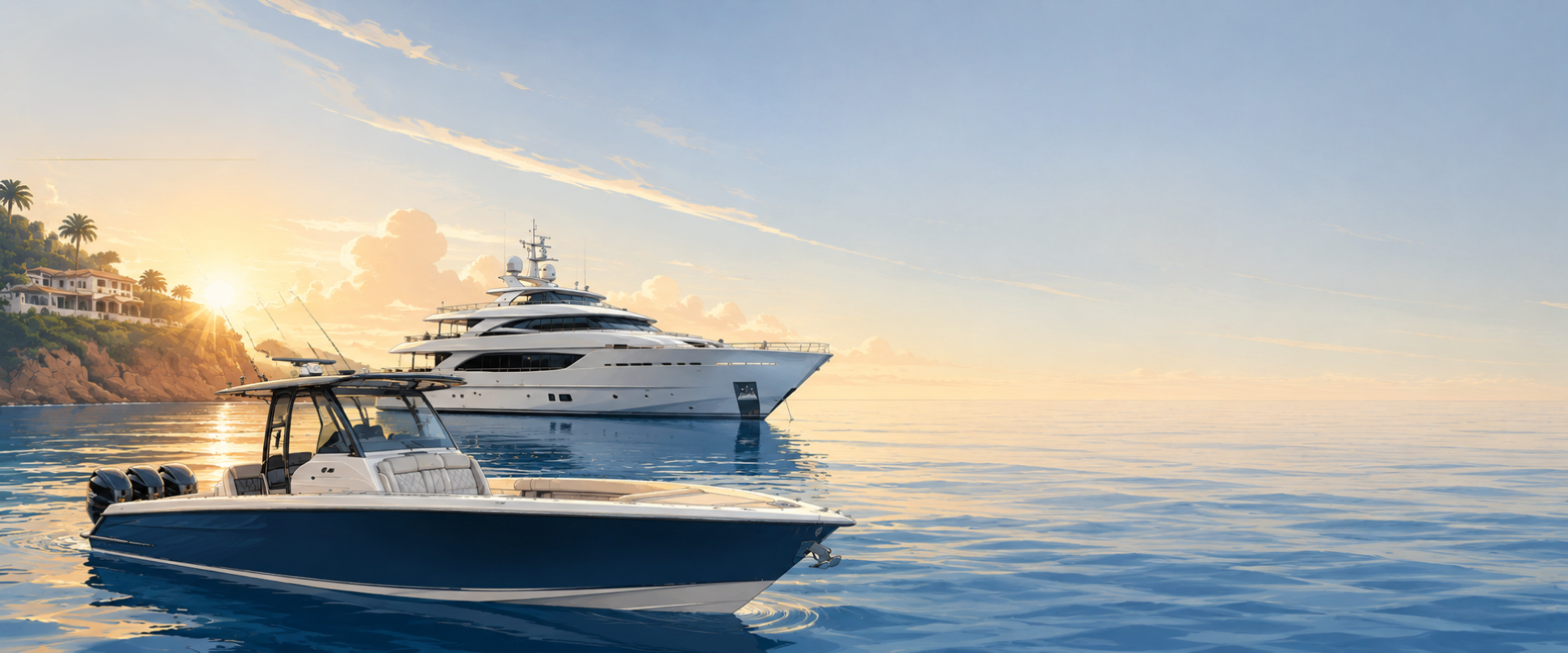

Aboard a privately owned yacht, the atmosphere is more personal than a charter yacht, and the etiquette can be considerably more nuanced. From interacting with the crew to understanding the owner’s preferences, the unwritten rules often matter as much as the formal ones. This guide explores the finer points of being a welcome guest aboard someone else’s luxury yacht, where gracious hospitality deserves equally gracious consideration.
This is the world we’re talking about here: substantial private luxury yachts, generally 60 feet and above and increasingly professionally crewed as they become larger. Familiar courtesies still apply, but the setting introduces etiquette customs that rarely arise during an afternoon aboard a smaller boat. How much luggage should you bring? What do you wear? Can you wander into the galley? Should you tip the crew?
A private yacht is someone’s home, a workplace for the people who operate it and, at times, something approaching a highly personalized luxury hotel. The most experienced guests understand that balance. They accept excellent service without taking it for granted, respect the operation behind it and relax enough to enjoy why everyone is there in the first place.
Entering Someone’s Private World
A large yacht can feel remarkably like a boutique resort reserved for very select people. Yet however sophisticated the amenities, it remains a private yacht and not every space is necessarily communal. Accordingly, the customs here are different than the typical etiquette required when touring a yacht for potential purchase.
The bridge, galley, engine room and crew quarters are working environments, and certain accommodations may remain private to the owner. Follow the natural flow of guest areas and ask if you’re curious about somewhere you haven’t been. Many captains are happy to show interested guests the bridge when circumstances permit; wandering onto it unannounced while the yacht is maneuvering into a crowded harbor is a less promising way to arrange the same tour.
Shoes, Luggage and What to Wear
Even aboard a very large yacht, footwear can remain surprisingly important. Many yacht owners (yes, even your close friends) prefer guests barefoot or in socks, while others permit clean, non-marking shoes. Follow the crew’s direction rather than assuming what was acceptable elsewhere will be acceptable here. Protecting teak and delicate interior finishes remains one reason shoes-off policies are common aboard luxury yachts.
Packing is less about following a prescribed “yacht dress code” than understanding the itinerary. Life aboard even very expensive yachts is often surprisingly relaxed, with refined resort wear carrying much of the day, while evenings may become more polished. Dinner on deck at anchor in the Exumas is a different proposition from taking the tender ashore in Monaco or Porto Cervo.
For a longer stay, simply ask what is planned and whether anything calls for a jacket, cocktail attire or something more formal. Soft-sided luggage is also easier to stow once you’ve unpacked, and the yacht may already provide robes, slippers, toiletries and laundry service. There is little benefit in packing for every conceivable social occasion when half your wardrobe may spend the week occupying valuable cabin space.
Understanding the Crew

For guests unfamiliar with professionally crewed yachts, this may be the largest adjustment. Crew members can prepare your cabin, serve meals, arrange tenders, handle luggage and organize activities. Accepting that service comfortably is part of the experience. You don’t need to apologize every time someone brings you a coffee, but neither should excellent service become invisible simply because it is excellent.
Learn names when practical, say please and thank you, and treat crew members as the skilled professionals they are. On larger yachts, requests may naturally flow through the chief steward or another designated crew member rather than whoever happens to walk past. Crew quarters and the crew mess, meanwhile, are their private spaces.
Experienced boaters should also resist the instinct to help with the operation unless asked. Docking, anchoring, launching tenders and handling lines involve established assignments among crew. Someone who has owned boats for thirty years may be perfectly capable of handling a line, but aboard a professionally crewed yacht, considerable boating experience is sometimes best demonstrated by recognizing that nobody needs your help.
Discretion Is Part of the Luxury
Photography aboard a private yacht deserves more thought than it might during an ordinary vacation. The concern isn’t simply whether you take a beautiful photograph from the aft deck, but what else it reveals: the yacht’s identity, its location, other guests or an itinerary the owner may prefer to keep private.
Take the owner’s lead before identifying the yacht or posting its location, particularly in real time. The same discretion applies to conversations and personal details encountered aboard. A guest doesn’t need to approach every sunset as a security exercise; simply avoid telling other people’s yacht stories for them.
The Tender Is Part of Yacht Life
On larger yachts, the tender can become almost as much a part of daily life as the yacht itself. It may collect guests from shore, take everyone to dinner or make several trips between yacht and land during an afternoon.
Follow crew instructions when boarding and accept assistance when offered. Tenders move, docks move and the distance between the two has an inconvenient habit of changing just as someone decides they don’t need a hand. Timing matters as well. A 7:15 departure may be coordinated around dinner reservations, weather or harbor conditions rather than representing a casual suggestion.
If you make independent plans ashore, let the crew know. The yacht may reposition or a tender may need to be arranged for your return. Unlike most luxury villas, your accommodations can occasionally leave.
Dining Aboard

On a smaller boat, wandering into the galley to see what’s cooking may be perfectly natural. On a professionally crewed yacht, the galley is a working space where the chef may be preparing meals for owners, guests and crew simultaneously. Unless invited, allow the culinary operation to happen behind the scenes.
Dietary restrictions, allergies and strong preferences should be communicated before the trip whenever possible, since menus and provisioning may be planned specifically around the guests aboard. Discovering that someone doesn’t eat shellfish is useful before provisioning; discovering it as dinner arrives is less ideally timed.
Cabins and Life Below Deck
Guest cabins may receive remarkably attentive service. Beds are made, bathrooms refreshed and laundry may be handled depending on the yacht. There is no need to maintain your cabin as though nobody has slept there, but allowing the interior crew reasonable opportunities to service it makes everyone’s job easier.
Bathrooms deserve one yacht-specific reminder. Even sophisticated marine sanitation systems are still marine systems. If the crew explains what can and cannot be flushed, this is one area where independent experimentation is unlikely to improve the voyage.
Water Toys Aren’t Self-Service
The toy collection aboard a large yacht can be extraordinary: SeaBobs, personal watercraft, e-foils, paddleboards, diving equipment, inflatables, and tenders may all be waiting behind the transom. Their presence doesn’t necessarily mean they can be used whenever someone feels like it.
Weather, local regulations, and equipment requirements can determine what can be used and when. Tell the crew what interests you and let them organize it. Even previous experience with an e-foil or personal watercraft doesn’t replace the procedures of the yacht you’re currently aboard.
Let the Yacht Set the Pace

One of the pleasures of being aboard a private yacht is that ordinary schedules begin to soften. Breakfast may drift later, lunch may wait until everyone returns from swimming, and the yacht may quietly move to another anchorage while guests relax on deck. At the same time, factors such as marina arrangements and dinner reservations can make certain moments surprisingly precise.
The captain and crew generally manage those details without making them feel complicated. A guest may be barefoot on the aft deck deciding whether to swim before breakfast while the captain is reviewing weather and the deck crew are preparing equipment. Kindly note that the chef has already been working for hours. The relaxed atmosphere is only possible because a professional operation is running behind it. Being ready when the tender is ready and accepting that plans occasionally change are usually all a guest needs to contribute.
What About Tipping the Crew?
Guests familiar with chartering sometimes wonder whether they should tip the crew of a privately owned yacht. The distinction between owner vs guest matters. Gratuities are an established convention in commercial yacht charter, but an invitation aboard an owner’s private yacht is personal hospitality rather than a charter transaction. An invited guest therefore shouldn’t automatically import charter-style tipping practices or begin distributing individual gratuities.
If an unusually long stay or particular circumstance leaves you uncertain, discreetly ask the host or person who arranged the visit. The same principle applies more broadly to the owner’s hospitality. A thoughtful gift can be gracious, but it needn’t compete financially with the experience you’ve been given, nor is there generally a reason to start calculating your portion of fuel, dockage, or crew expenses when you’ve been invited as a personal guest.
Flights, hotels, meals ashore and other expenses surrounding the trip may be another matter, so unusual logistics are best clarified beforehand.
The Final Anchor Point
Good yacht guest etiquette requires little specialized knowledge. You don’t need to memorize nautical terminology or arrive with an encyclopedic understanding of superyacht protocol. Recognize that you’re aboard someone’s private yacht, respect the captain and crew, ask before entering working spaces or using equipment, and exercise some discretion about what happens aboard.
Then enjoy it.
On a well-run yacht, dinner arrives at precisely the right moment, cabins quietly reset themselves, and by morning the view outside your window may be entirely different. Appreciating how much goes into making all of that feel effortless, and allowing it to do so, will always serve you well.
Boat Confidently.
Remember to sign up for the Boat Rankings Newsletter.
This site is informational in nature and any information or advice should be considered accordingly. You should make your own investigations with respect to the suitability of goods and/or services offered to you via a Linked Website. The information presented on this site are opinions and should not be taken as endorsements (except where specifically stated) or business affiliations with any of the respective brands or business entities named anywhere on this site.
This content may include affiliate links from advertisers. It may earn a commission from actions readers take on these links (at no cost to you), such as a click, purchase, or subscribe. As an Amazon Associate I earn from qualifying purchases.
Trademarks, logos, and other identifiable depictions of any brand or business entity are owned by the respective entity. BoatRankings uses manufacturer-provided or authorized imagery when available. When authorized photography is unavailable, original BoatRankings editorial artwork or graphics may be used, which may include AI generated or edited images that do not reflect the actual product(s). Imagery availability has no bearing on rankings or scores.


Leave a Reply