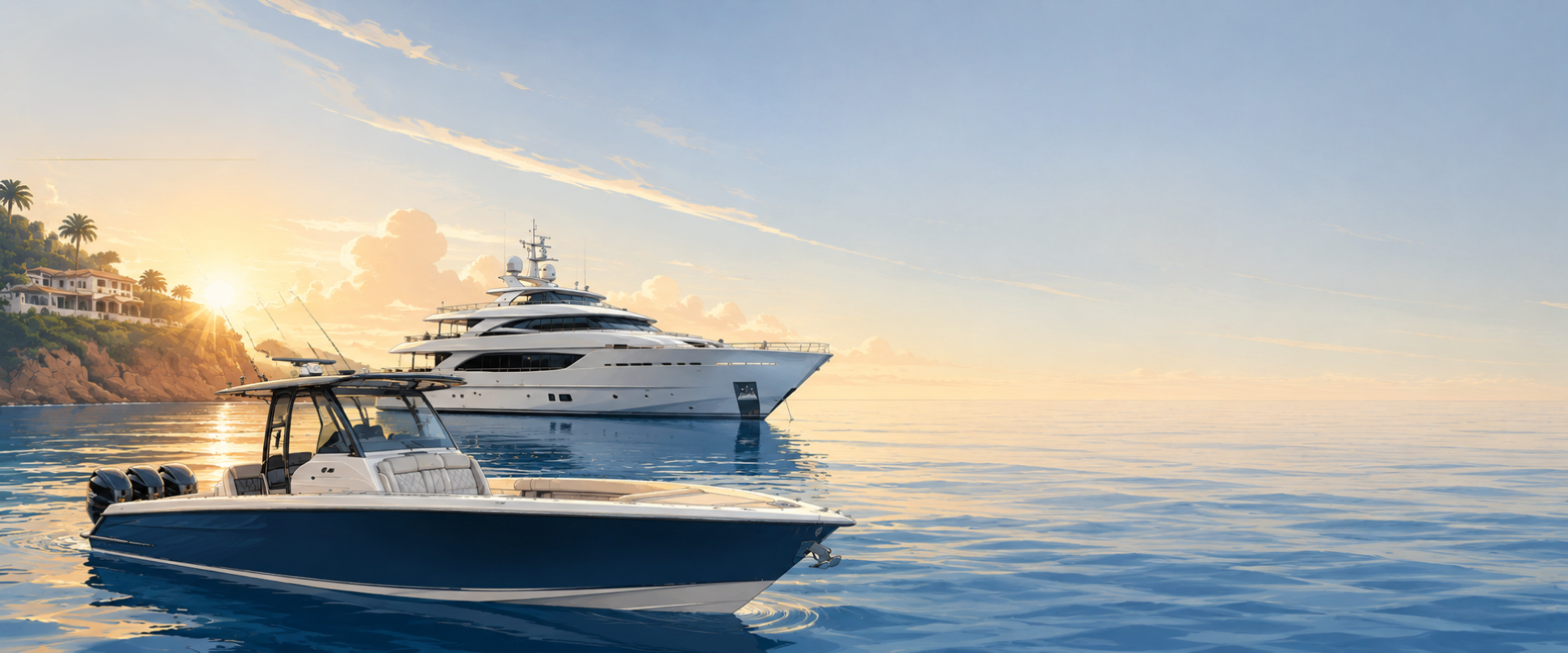
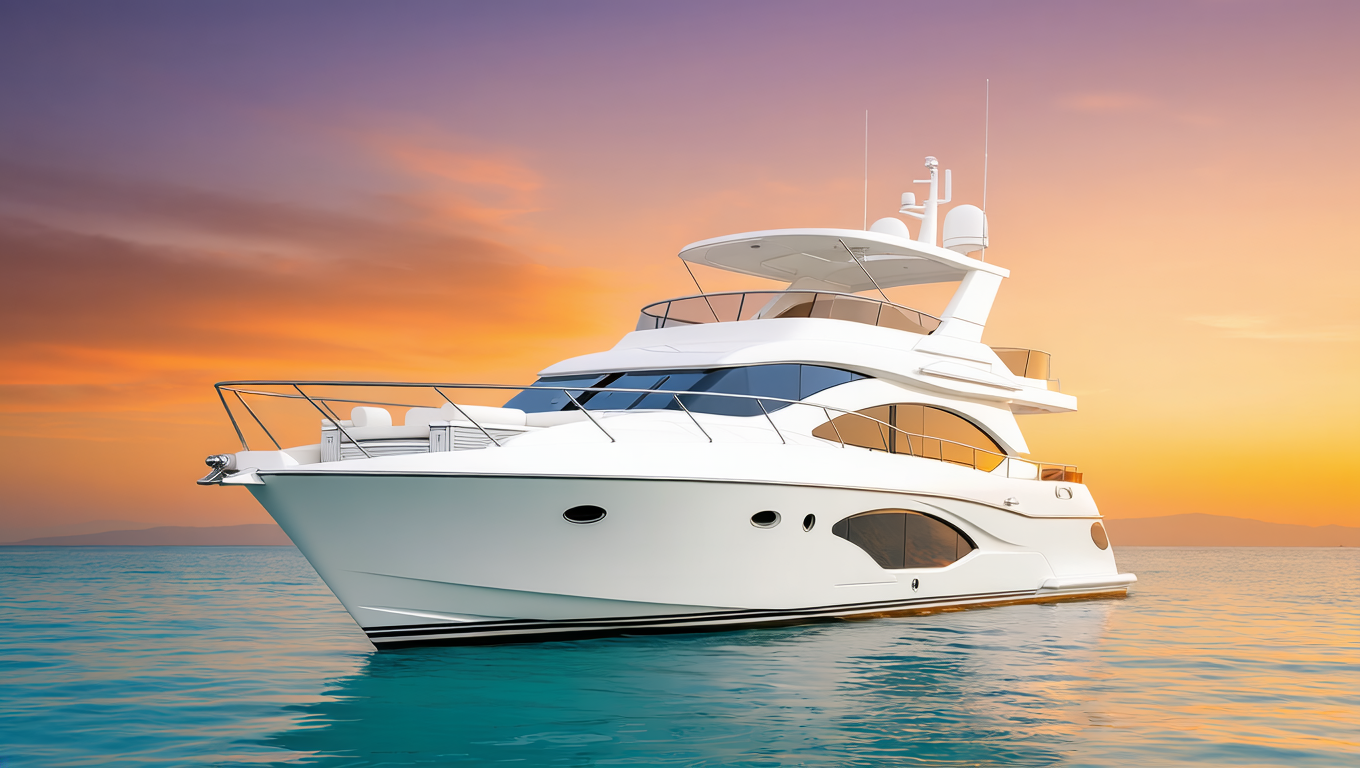

Why are Most Yachts White?
Walk through almost any marina and one color clearly has the fleet surrounded.
White has been the dominant color for yacht hulls for generations. From relatively modest cruising boats to some of the world’s largest superyachts, bright white yacht hulls and superstructures remain remarkably common. Considering the virtually unlimited customization available to yacht owners, the consistency can seem a little surprising.
There are several practical reasons for it, sprinkled with a healthy dose of tradition.
White Works Well in the Sun
The most straightforward explanation involves heat.
Lighter-colored surfaces reflect more solar radiation than darker ones, helping reduce the amount of heat absorbed by the yacht’s exterior. On a vessel spending long days under strong Mediterranean or Caribbean sunshine, that is more than a cosmetic consideration.
Dark hulls can look spectacular, particularly in navy, charcoal, or other deep finishes. They can also become noticeably hotter in direct sunlight and tend to make salt residue, water spots, scratches, and imperfections easier to see. And boats provide plenty of opportunities for imperfections to introduce themselves!
White is comparatively forgiving. It helps conceal some everyday evidence of saltwater use while providing a bright, clean appearance that works particularly well against blue water.
There Are Practical Benefits at Sea
Visibility has also helped white maintain its place in marine design. A large white structure is generally easy to distinguish against darker water, particularly during daylight.
Modern yacht safety obviously depends on far more sophisticated systems than hull color. Radar, AIS, navigation lights, communications equipment, and modern electronics are doing considerably more important work. Still, good visual contrast certainly doesn’t hurt.
White also became closely associated with fiberglass boatbuilding. Gelcoat (the durable outer surface commonly used on fiberglass boats) has long been particularly common in white, helping reinforce the color across recreational boating.
Once something becomes both practical and familiar, tradition tends to take care of the rest.
Then There Is the Matter of Appearance
White has another advantage that is harder to quantify: it simply looks at home on a yacht. Similar to nautical fashion, sea framed blues and cloudlike whites are in their natural habitat here.
The color emphasizes clean lines and allows shadows, windows, teak, stainless steel, and architectural details to provide contrast. On larger yachts, white can also visually unify an enormous structure that might otherwise appear rather imposing.
Designers certainly aren’t limited to it. Dark hulls, metallic finishes, pale grays, blues, and more adventurous colors have become important elements of contemporary yacht design. A contrasting hull can give a yacht an unmistakable identity.
It simply comes with a little more commitment. A beautifully maintained navy hull can be magnificent. It can also develop an unusually close relationship with the detailing crew.
The Boat Rankings Take
White has endured because it solves several problems at once. It handles intense sunshine well, suits common marine materials, disguises some of the inevitable evidence of life on the water, and provides designers with a neutral canvas.
Perhaps most importantly, decades of association have made white part of our visual vocabulary for yachting. Put a sweeping white profile against deep blue water and very little explanation is required.
That doesn’t mean the best or most interesting yacht will always be white. Some of the industry’s more distinctive designs demonstrate exactly the opposite. But when a color is practical, flattering, and capable of making several thousand tons of yacht look graceful, it has earned a fair place on the nautical color scheme.
Boat Confidently.
Remember to sign up for the Boat Rankings Newsletter.
This site is informational in nature and any information or advice should be considered accordingly. You should make your own investigations with respect to the suitability of goods and/or services offered to you via a Linked Website. The information presented on this site are opinions and should not be taken as endorsements (except where specifically stated) or business affiliations with any of the respective brands or business entities named anywhere on this site.
This content may include affiliate links from advertisers. It may earn a commission from actions readers take on these links (at no cost to you), such as a click, purchase, or subscribe. As an Amazon Associate I earn from qualifying purchases.
Trademarks, logos, and other identifiable depictions of any brand or business entity are owned by the respective entity. BoatRankings uses manufacturer-provided or authorized imagery when available. When authorized photography is unavailable, original BoatRankings editorial artwork or graphics may be used, which may include AI generated or edited images that do not reflect the actual product(s). Imagery availability has no bearing on rankings or scores.


Leave a Reply